Thirty years of manganese steel, in one plant.
We cast wear parts that go into equipment where a failure costs more than the part does. Crusher jaws, mantles, mill liners, rail crossings, bucket teeth.
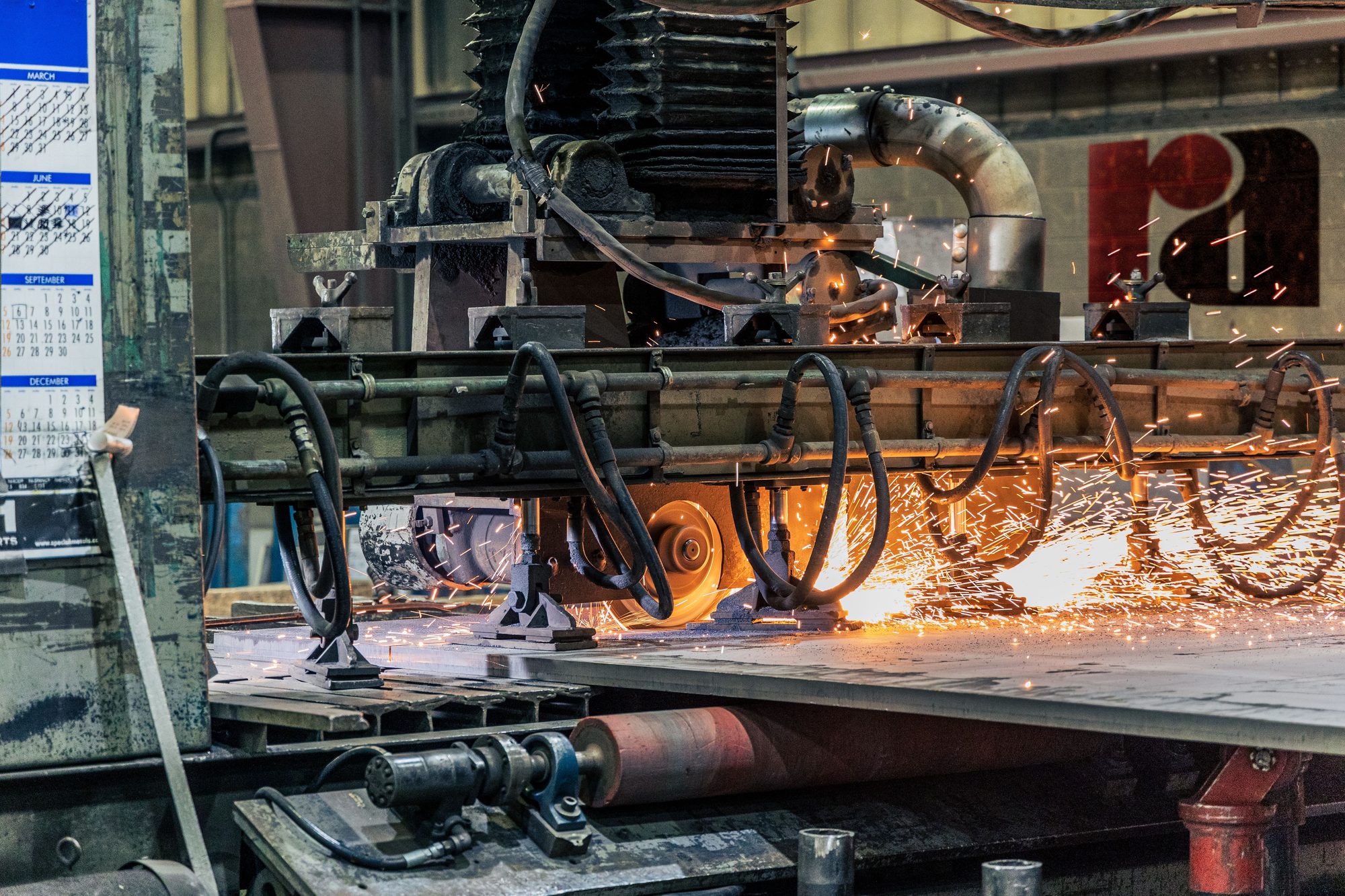
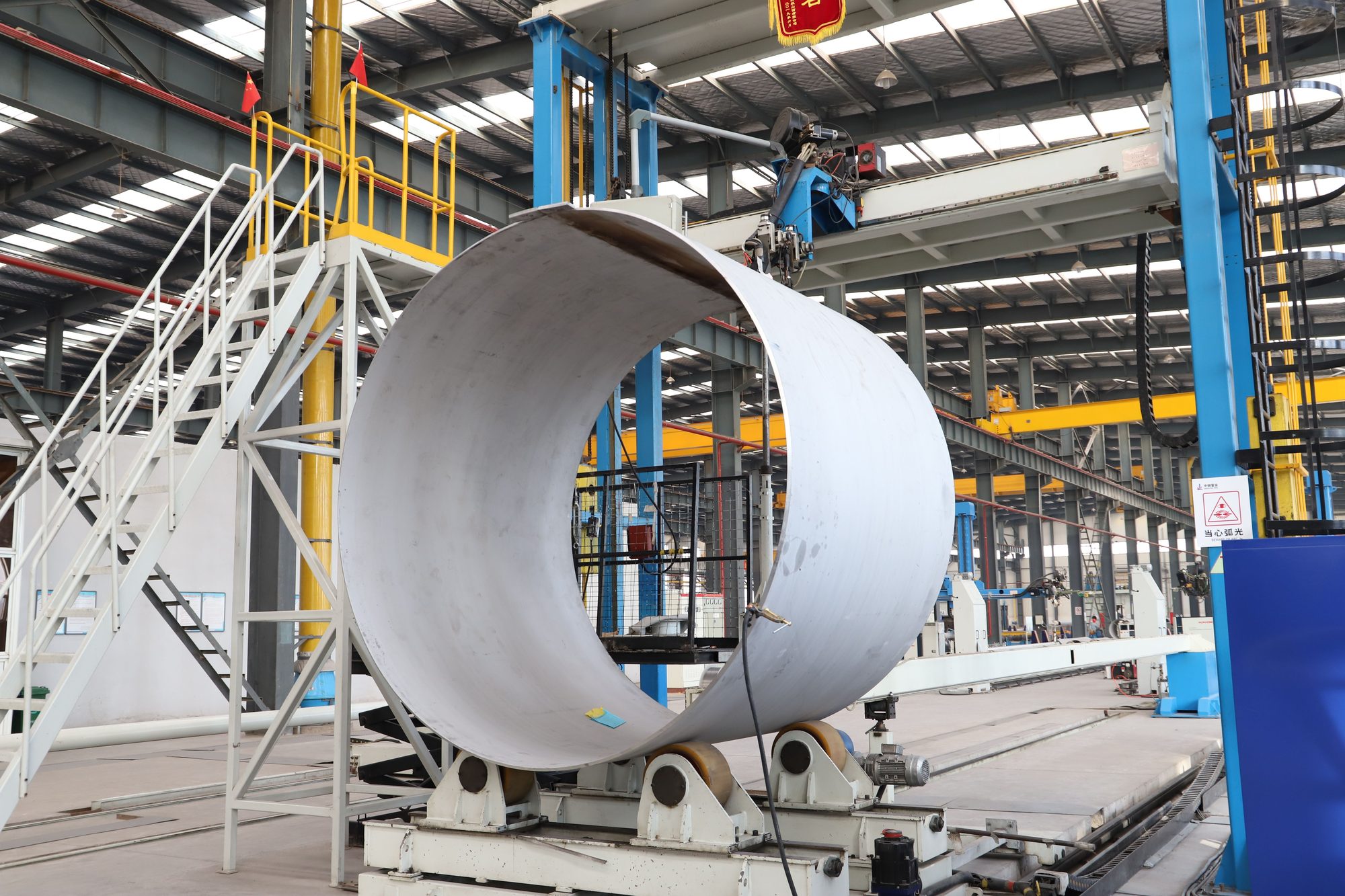
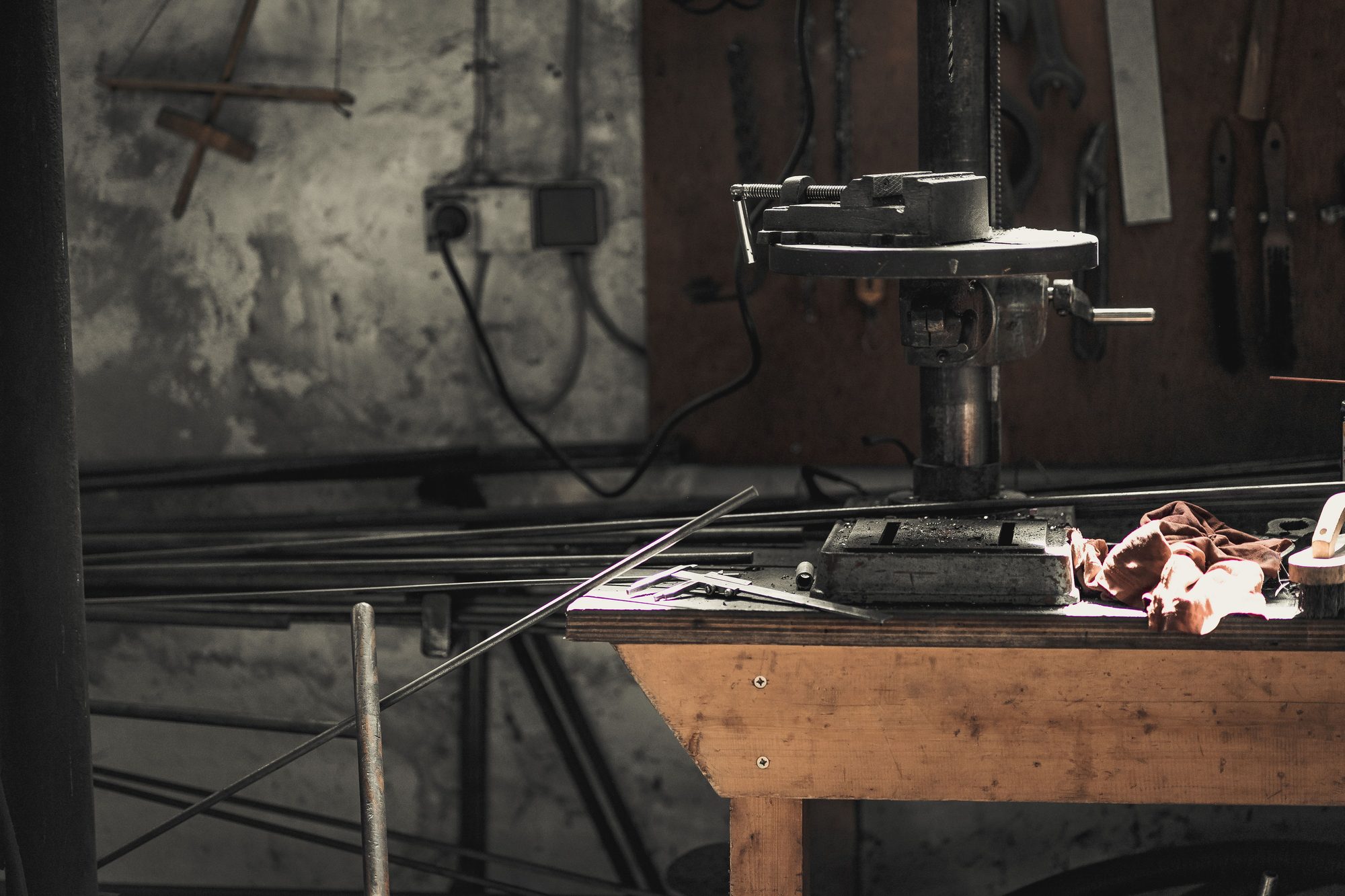
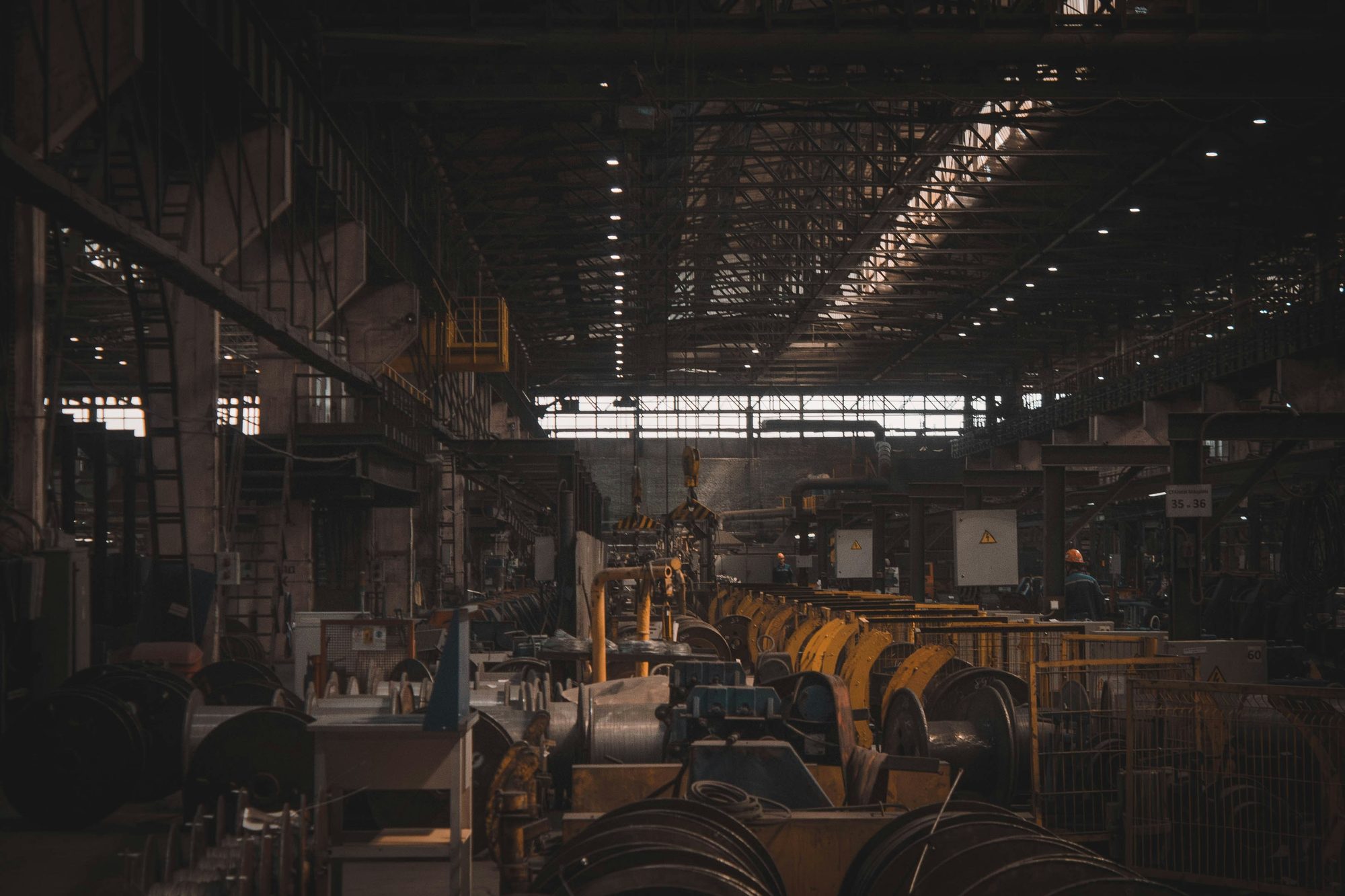
Melting, moulding, heat treatment, fettling and machining all happen at Savli, on plots 26 to 28. Nothing is sub-contracted, so the heat number on the casting traces back to a furnace we ran and a chart we recorded.
The technical team behind it carries more than 150 years of combined foundry experience. Capacity has roughly doubled since 2019.
Plant and equipment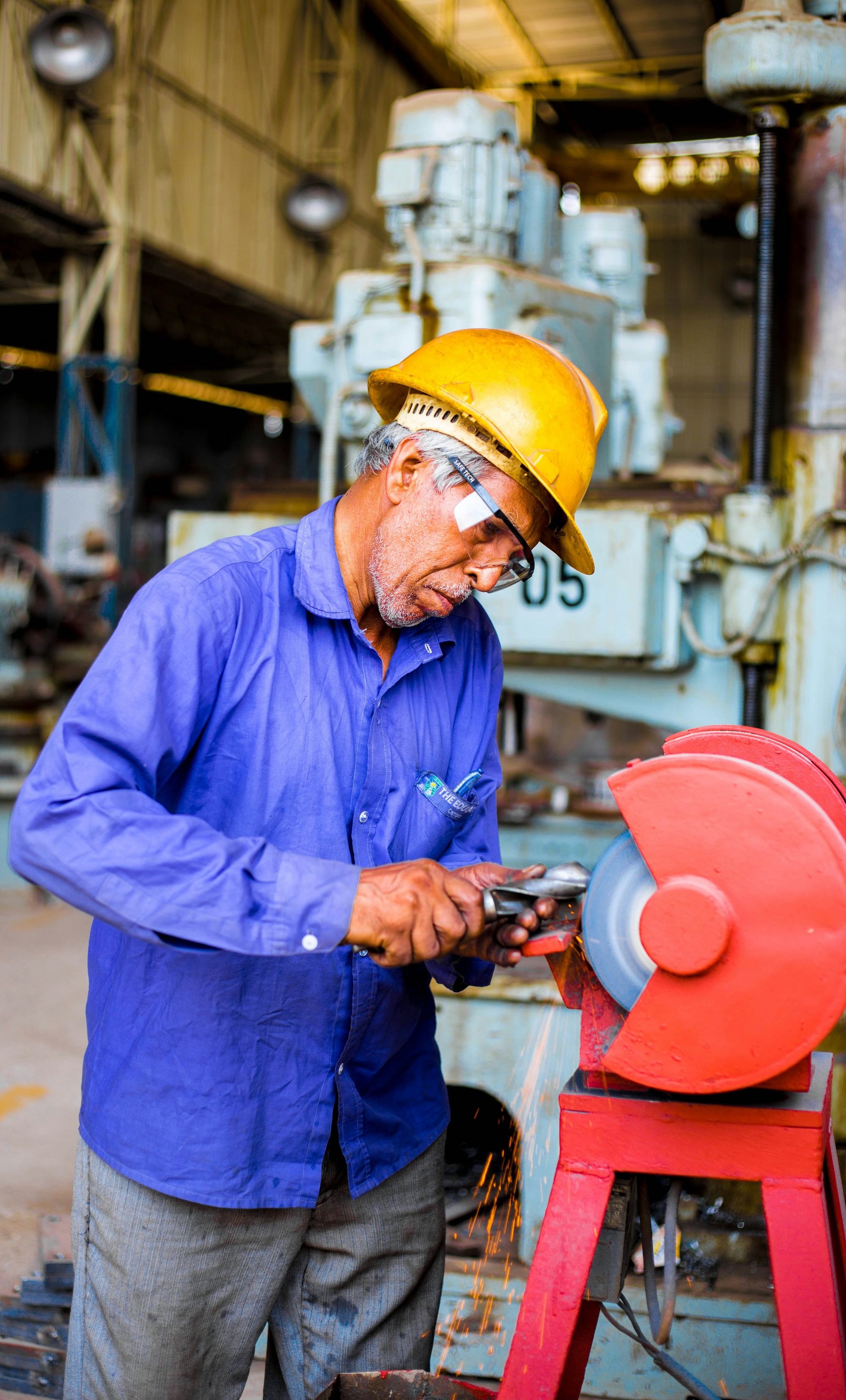
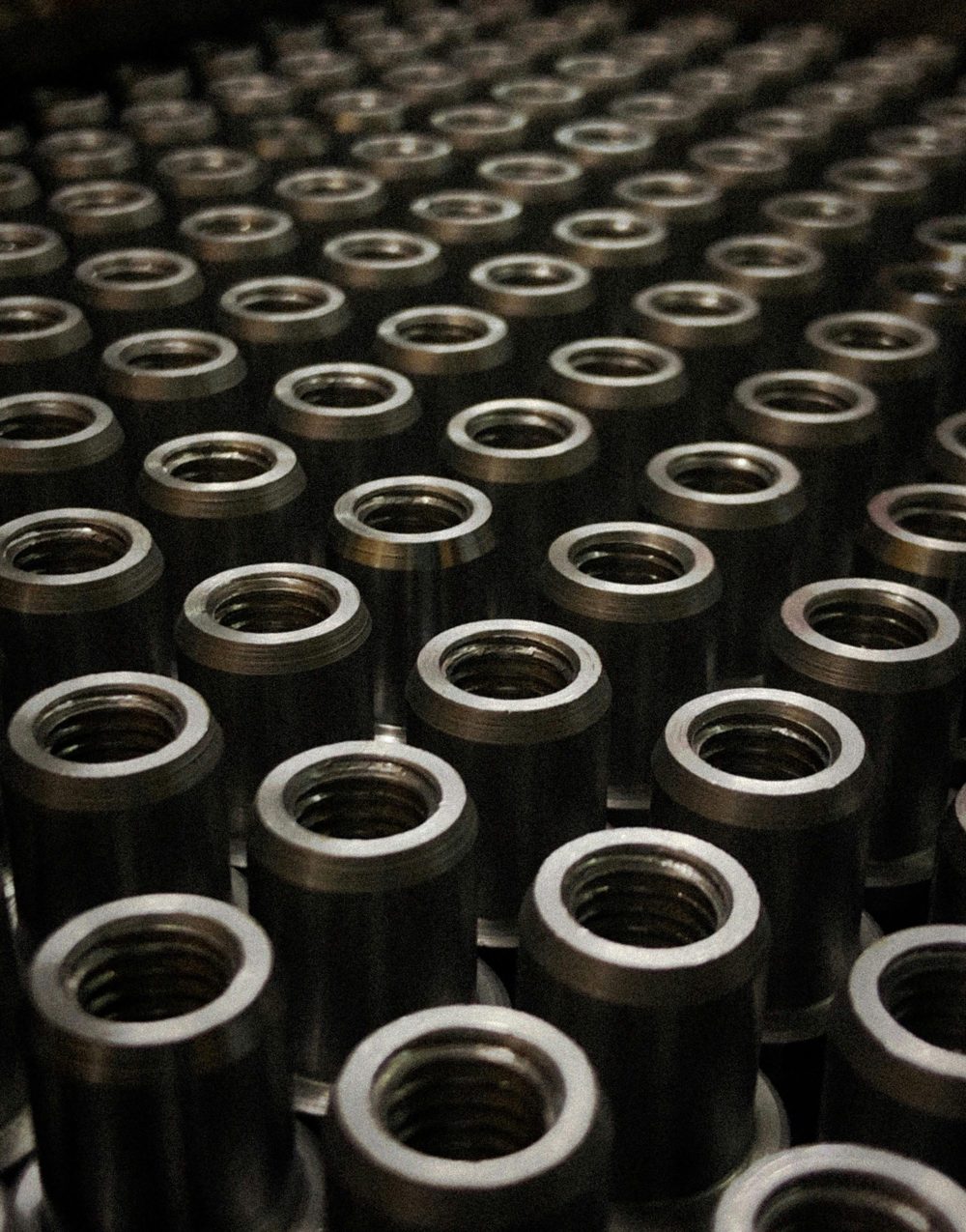
Six families of castings.
Everything is made to a customer drawing. Grade, hardness range and machining allowance are set against your specification, not a catalogue.
Crusher wear parts
Jaw and cheek plates, cone mantles and concaves, blow bars, hammers, impact bars, grizzly bars.
See the range
Mill and kiln components
Ball and rod mill liners, diaphragm and grate plates, lifter bars, cooler grates, chute liners.
See the range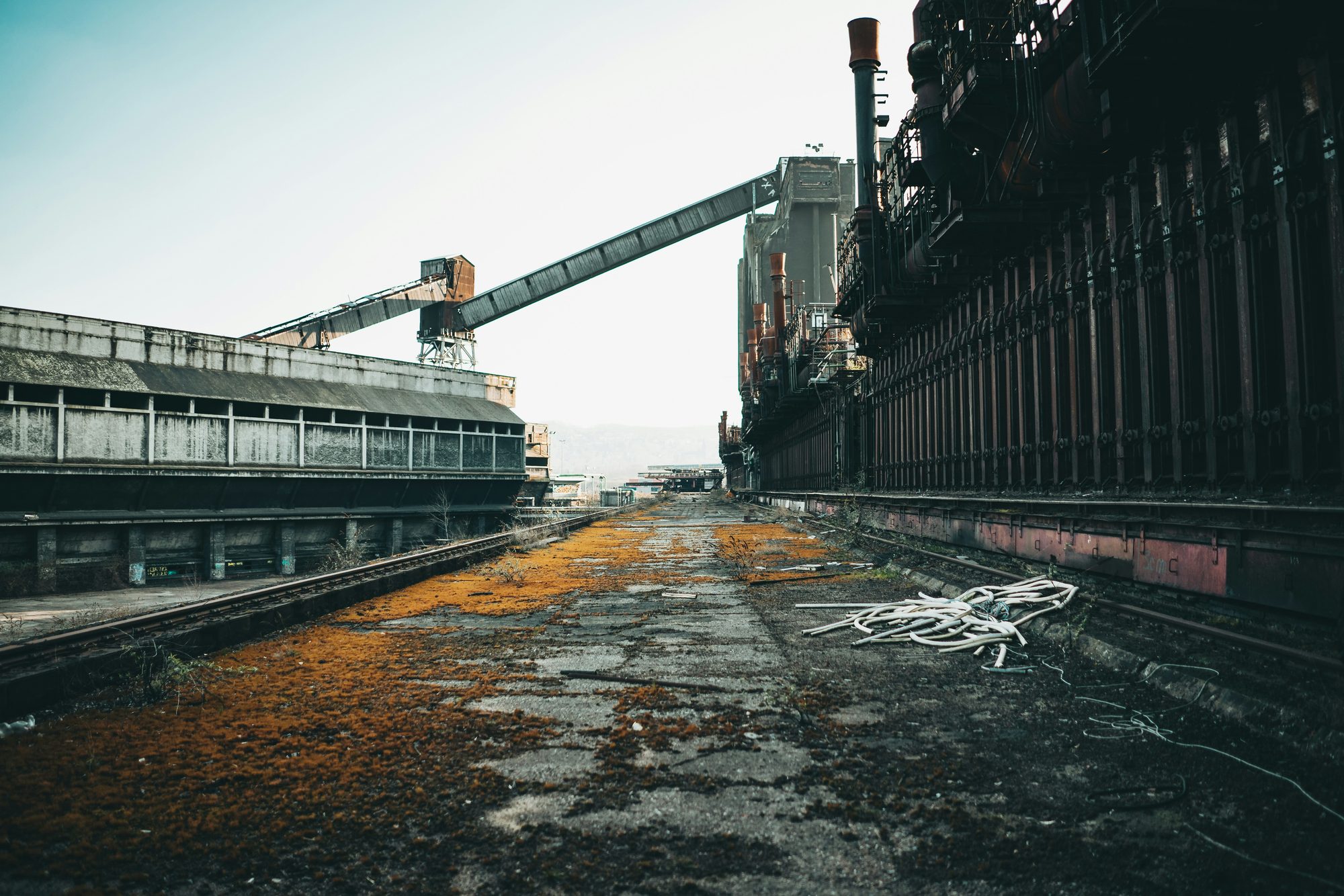
Track and rolling stock
Crossings and frogs, check rail assemblies, bogie components, coupler and draft gear castings.
See the range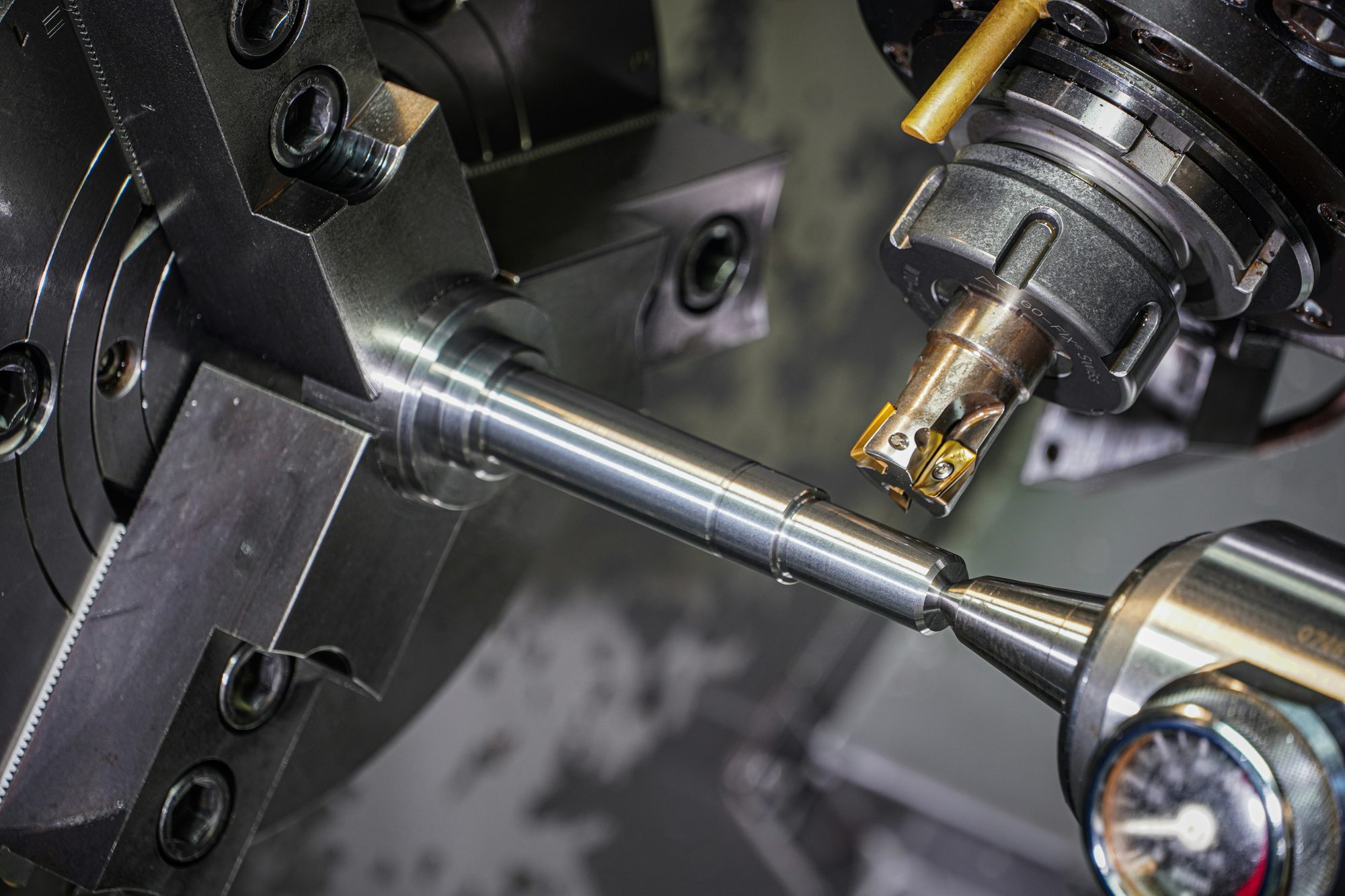
Ground engaging tools
Bucket teeth and adapters, dipper and dredge teeth, lip shrouds, side cutters, ripper points.
See the range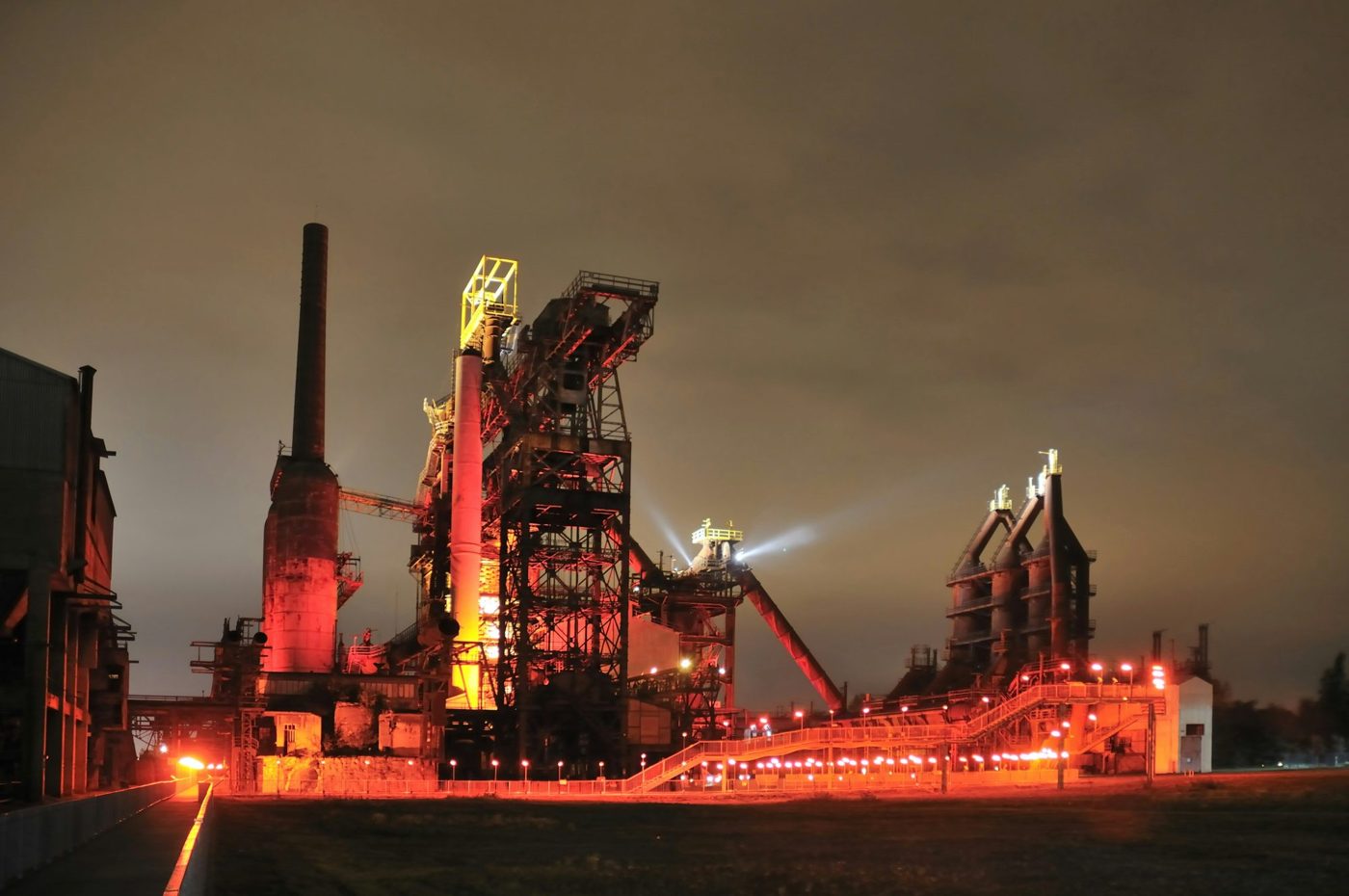
Heat resistant castings
Furnace trays, grids, skid rails, radiant tubes, quench baskets and sinter plant components.
See the range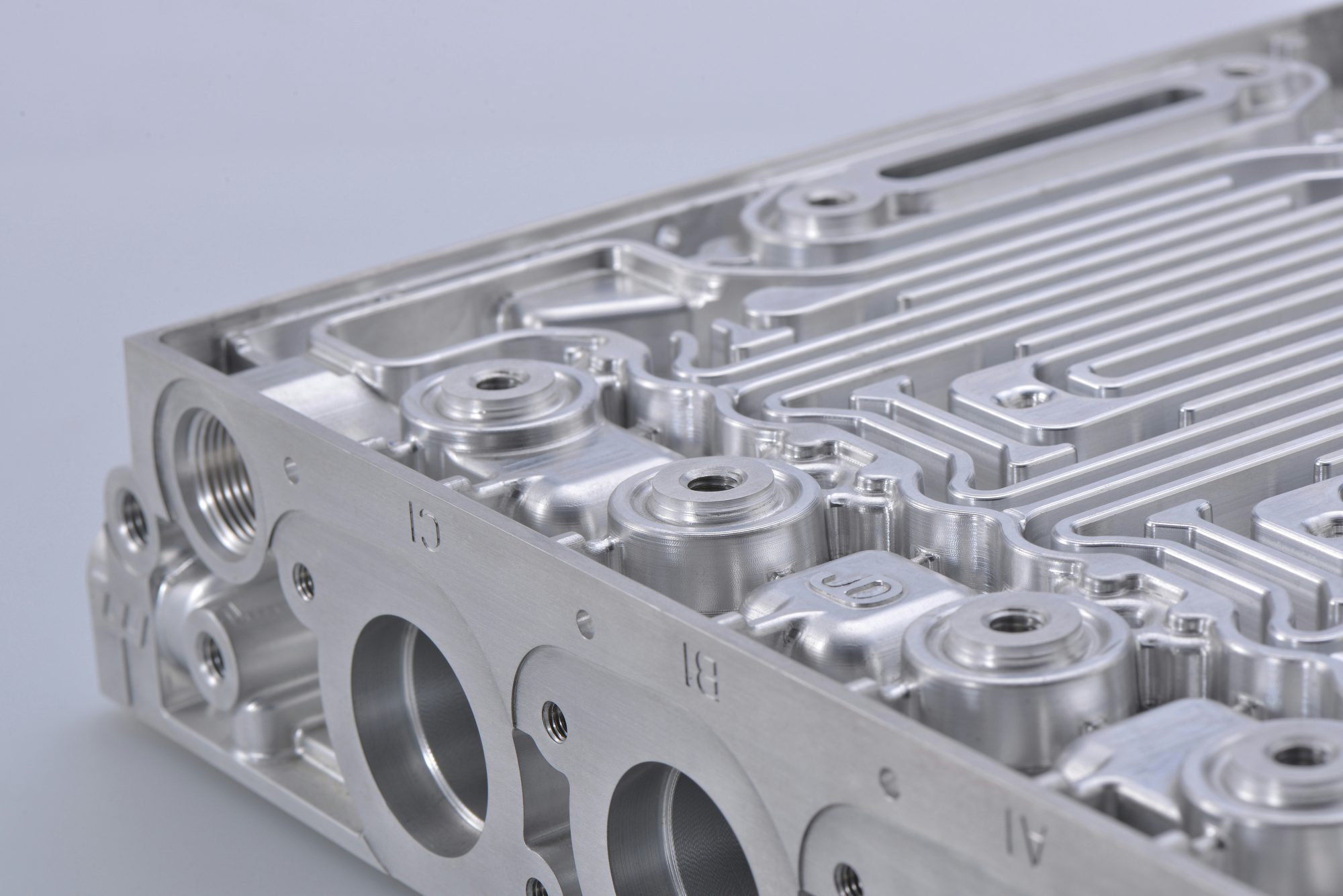
Structural castings
Pump and valve bodies, gear and sprocket blanks, coupling halves, housings and heavy brackets.
See the rangeOne route through the plant.
Charge is melted on a three-furnace deck, poured into two-part no-bake moulds, shaken out, dressed, solution annealed and quenched, then machined and inspected. Material never leaves the site between those steps.
- 1
Melting
350 KW, 750 KW and 3,500 KW medium-frequency induction furnaces
- 2
Pouring
Bottom-pour ladles to 15 MT; tilting ladles from 300 kg
- 3
Moulding
PLC-controlled resin sand, 3.5 × 2.5 m vibrating table
- 4
Heat treatment
5 MT and 15 MT batch furnaces, water quench inside 45 seconds
- 5
Machining
Vertical boring to 1200 mm spindle diameter, milling, planing, drilling
One plant, eighteen countries.
Everything ships from a single site 30 km north-east of Vadodara. From there it reaches crushing circuits, cement lines and rail networks across four continents.
Three inspection gates, and the paperwork to prove it.
Raw material is cleared before it reaches the furnace. Chemistry and hardness are checked while the job runs. Nothing is despatched until the final pack is complete: heat-wise analysis, mechanical results, the heat treatment chart, NDT reports where specified and a dimensional layout.
- Chemical composition verified for every pouring heat
- Radiography and ultrasonic testing where the specification calls for it
- Micro-structure examination for austenite retention in manganese grades
- Third-party and customer-witnessed inspection accommodated
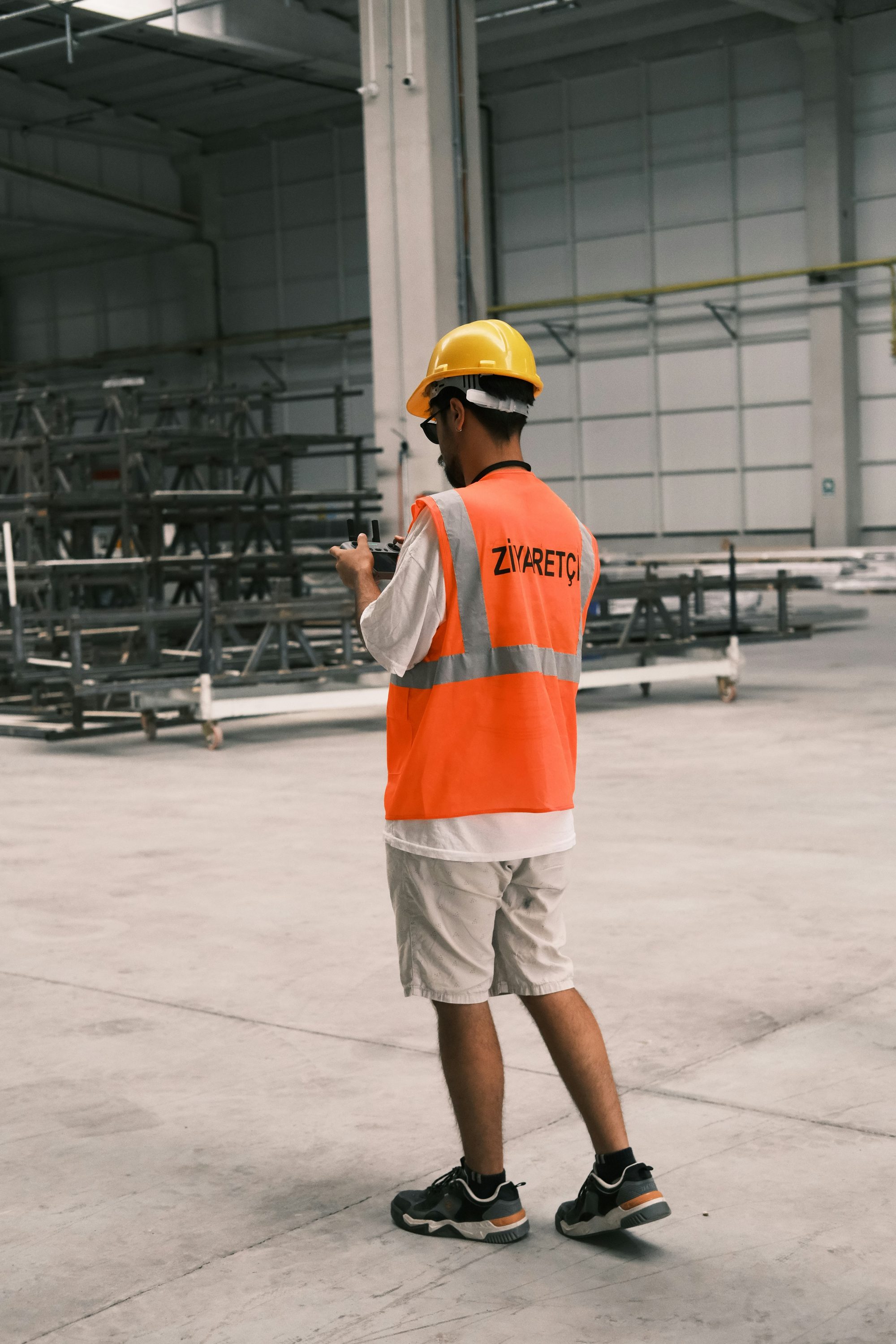
Furnaces can be bought. Judgement is trained.
Structured training, documented career ladders and an apprenticeship route that produces shift in-charges. Seven roles open now.
Life at BHAL and open roles
The BHAL Foundation.
Skilling, school infrastructure, health camps and water recharge across the villages around Savli. Run by our own team.
What the Foundation doesFrom the shop floor.
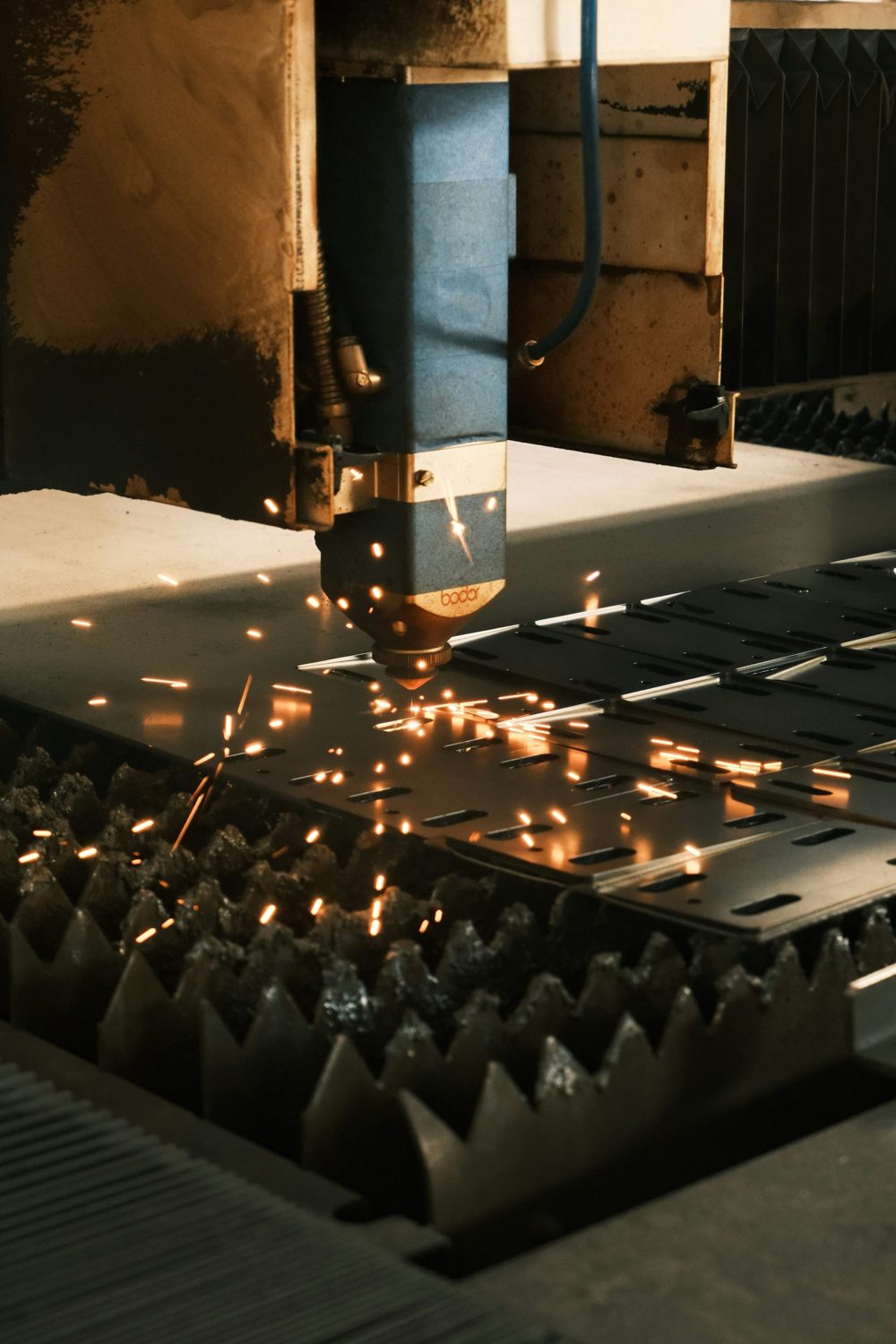
Why manganese jaw plates fail early
Carbide networks, a late quench and heavy sections. What to look for on the micrograph before you blame the ore.
Read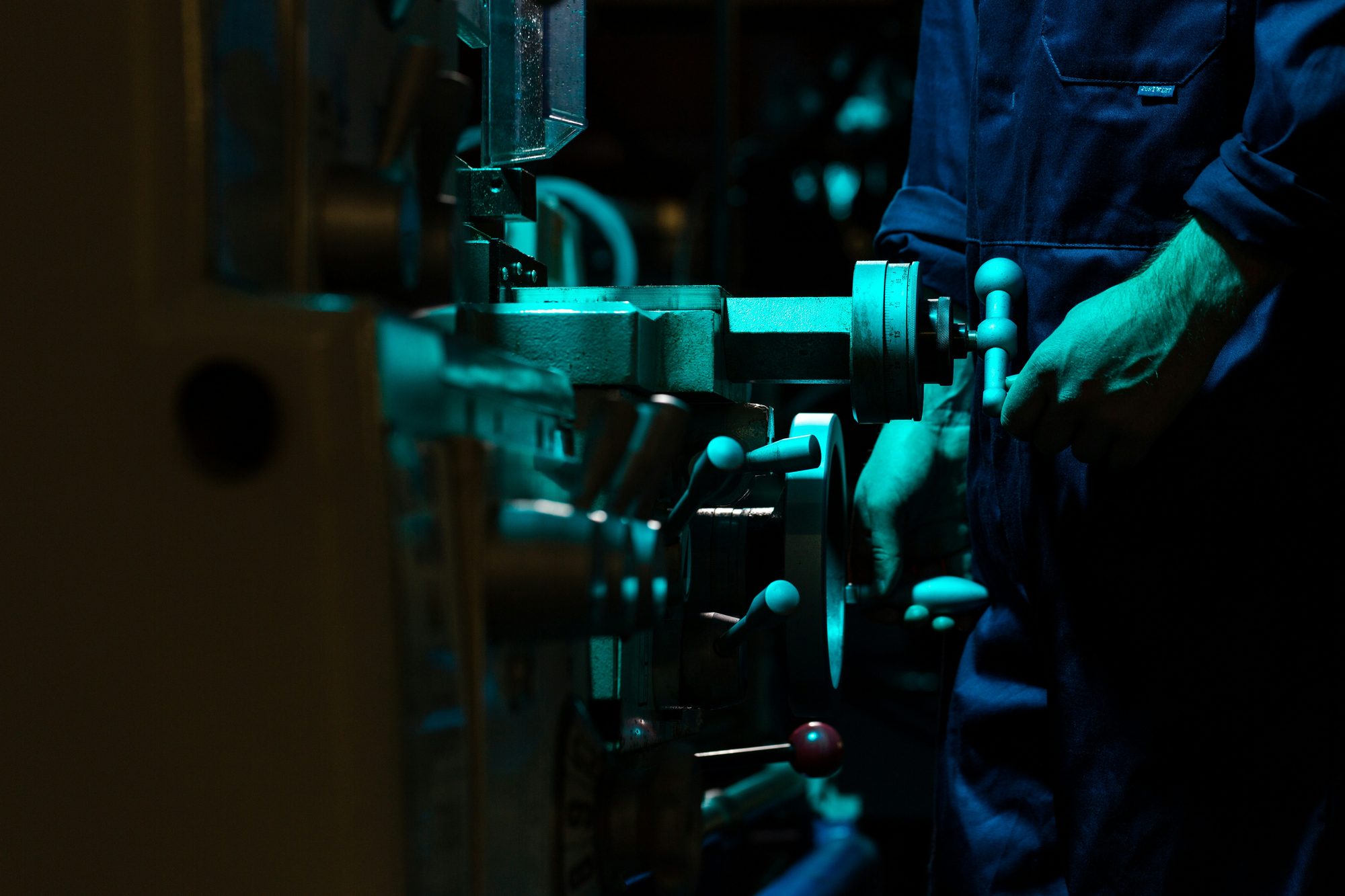
Reading a heat treatment chart
Soak time, ramp rate and the 45-second window. Three patterns that should prompt a question to your supplier.
Read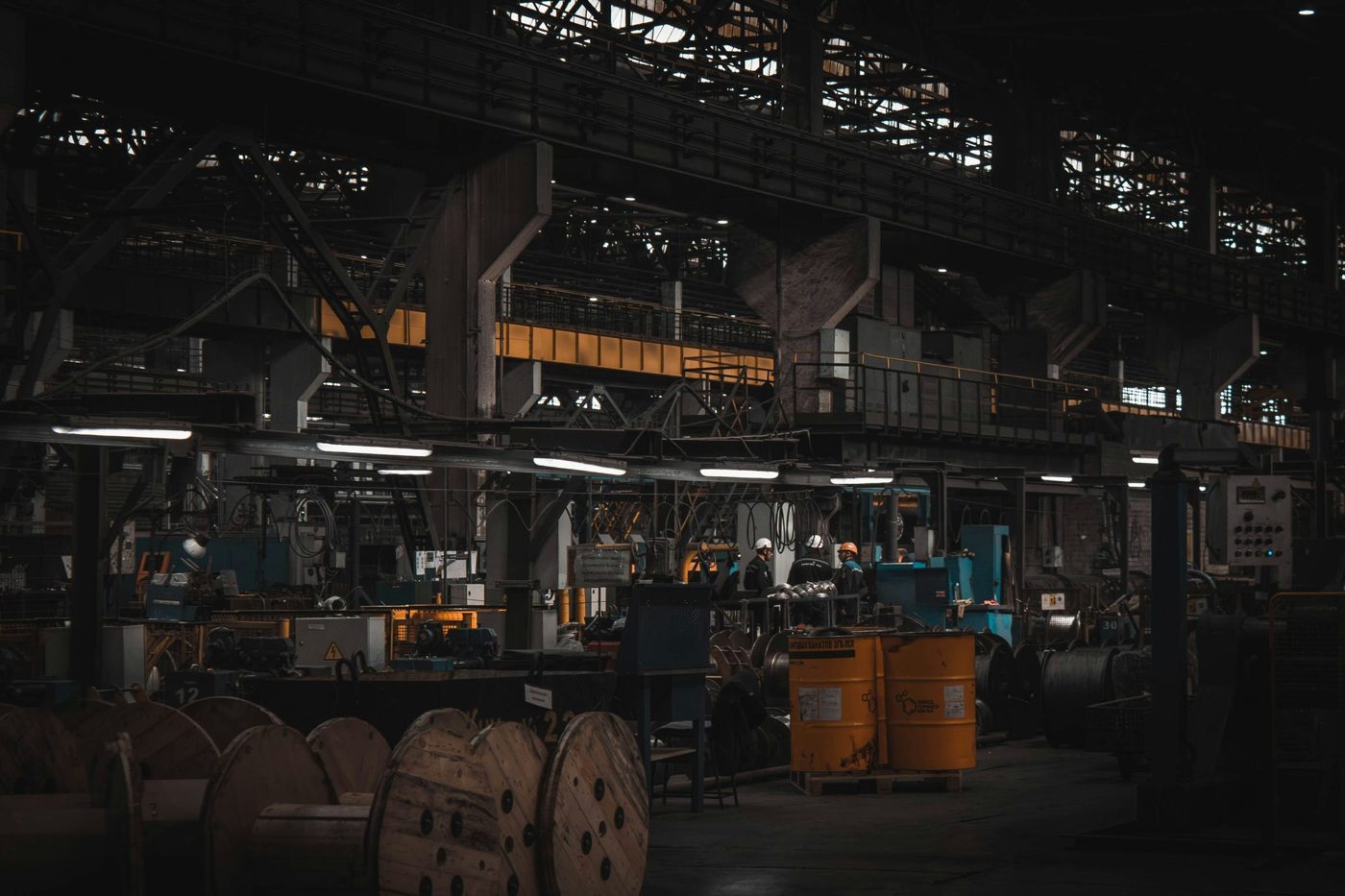
IFEX 2027 - Hall 3, Stand C‑18
We will show the 10 MT single-piece capability and the finish-machining cell. Book a slot in advance.
DetailsSend a drawing. We will tell you if it suits our plant.
Give us the part, the grade and the annual volume. You get feasibility, a grade recommendation where you need one, a price and a lead time you can plan around.